Customer Stories

KAGOME Predicting Tomato Harvest Quantities up to 5 Weeks in Advance
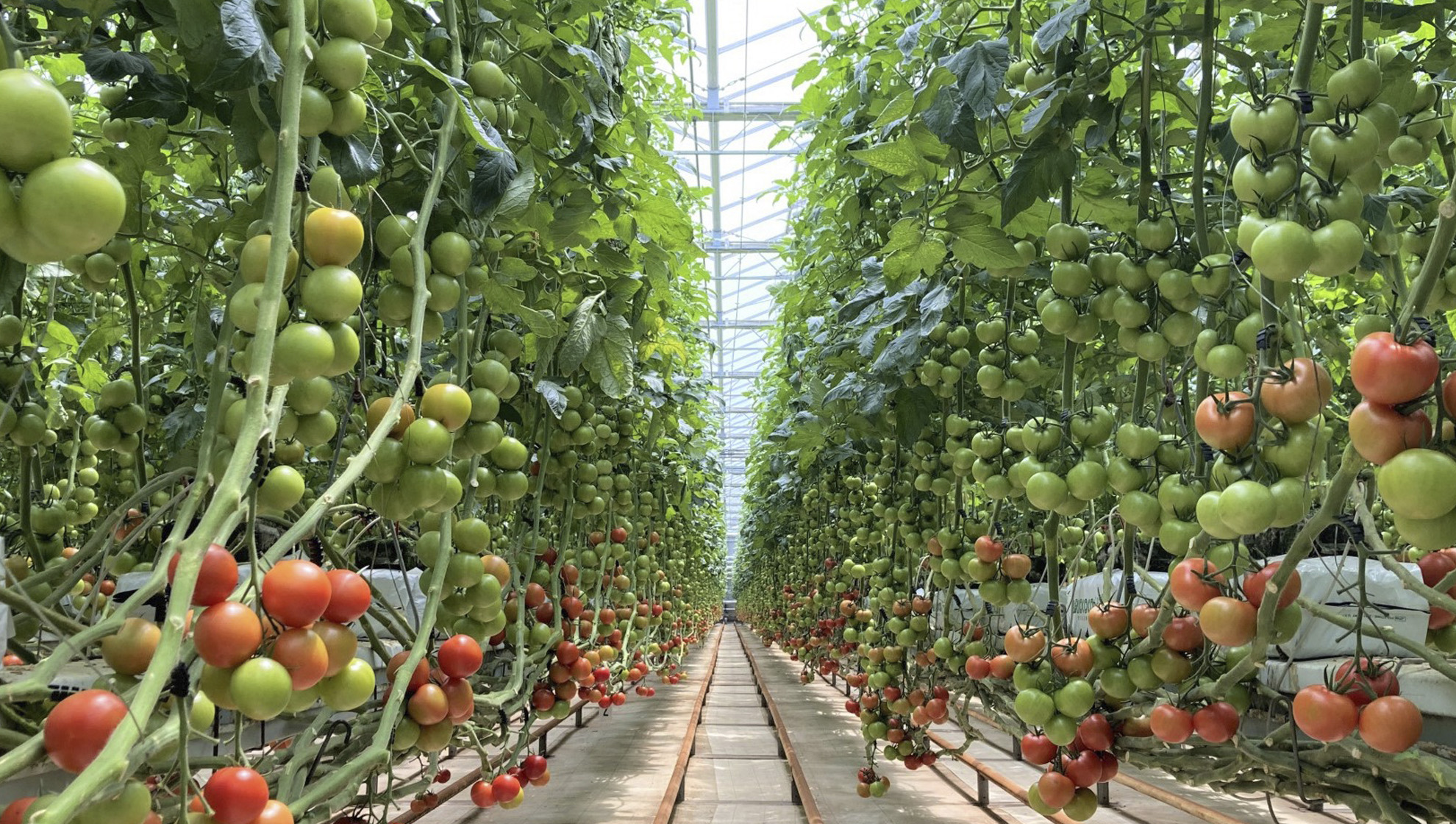
AIZOTH Inc. collaborates with KAGOME CO.,LTD. and its subsidiary, KAGOME AGRIFRESH CO., LTD. , to develop an AI-powered fresh tomato yield prediction system. The primary aim is to enhance the accuracy of yield predictions, crucial information for supply-demand balancing in fresh tomato production. KAGOME implemented this system in large-scale farms cultivating KAGOME brand fresh tomatoes since February 2022. By leveraging AI trained on historical weekly reports accumulated from KAGOME’s contracted farms, KAGOME has achieved the remarkable feat of predicting tomato harvest quantities up to 5 weeks in advance.

Challenges

KAGOME, involved in the sale of processed tomato products and fresh tomatoes, encountered significant challenges in accurately forecasting fresh tomato harvest quantities. These predictions were pivotal for the company, given the multifaceted nature of variables impacting fresh tomato yields, including climate and cultivation methods. Previously, relying on the intuition and experience of farm shipment personnel to forecast fresh tomato harvest quantities proved challenging due to the complexity of these influencing factors.

Solution

Initially exploring the development of an in-house meteorological forecasting system to improve tomato harvest quantity predictions, KAGOME faced substantial challenges in creating such a system. Consequently, attention turned toward the wealth of data acquired from farm records. Each weekly report meticulously detailed over 100 items per tomato variety, encompassing crucial parameters such as temperature, humidity, watering schedules, and actual harvest yields. This data was utilized for AI training. Recognizing that training AI models with all available features yields higher prediction accuracy compared to manually extracting specific features, KAGOME inputted all data to create the predictive model.

Results

The strategic application of AI for predictions has enabled KAGOME to forecast tomato harvest quantities up to 5 weeks in advance.